

Reliable connectivity is critical in modern educational environments, even when fibre or fixed-line services fail. For a Pre‑K nursery school in Houston, Texas, maintaining continuous internet access was essential. By combining POYNTING’s directional antenna technology with automated antenna alignment from Cellular Path and 5G routing from Teltonika, the project delivered a dependable Fixed Wireless Access (FWA) backup solution that removed guesswork and maximised cellular performance.
A Pre‑K nursery school based in Houston, Texas required always‑on internet connectivity to support internal systems and daily operations. Like many modern education facilities, the site depends on reliable connectivity to ensure business continuity. To reduce risk during network outages, the school required a robust cellular backup solution capable of delivering consistent and reliable performance.
The primary challenge was poor indoor cellular signal quality from the available Verizon network. A standard indoor router installation delivered unusable performance, making it unsuitable as a backup internet solution. Traditional directional antenna installations typically rely on manual alignment, which introduces uncertainty, requires skilled technicians, and often results in costly follow‑up site visits when re‑alignment is needed.
To ensure long‑term reliability and minimise operational costs, the project required a solution that could accurately identify the strongest cellular signal and maintain optimal alignment without the need for physical intervention.
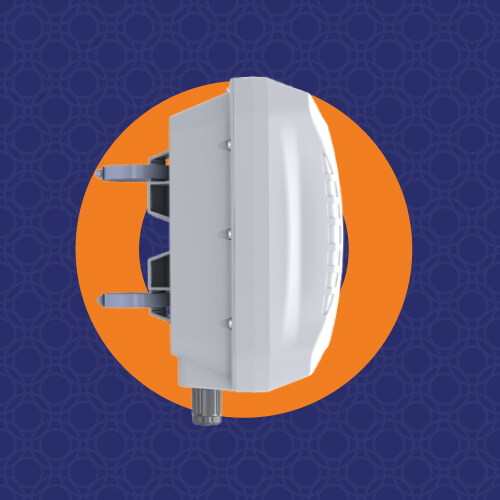
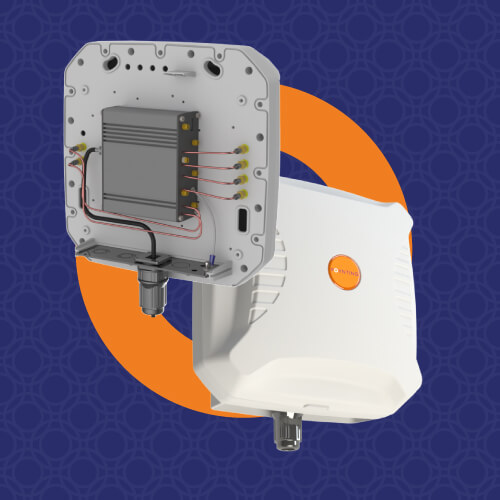
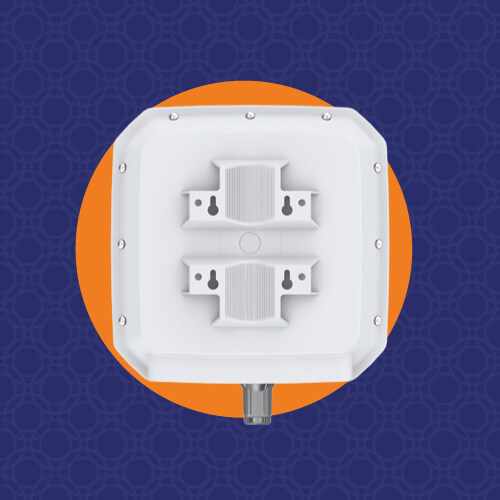
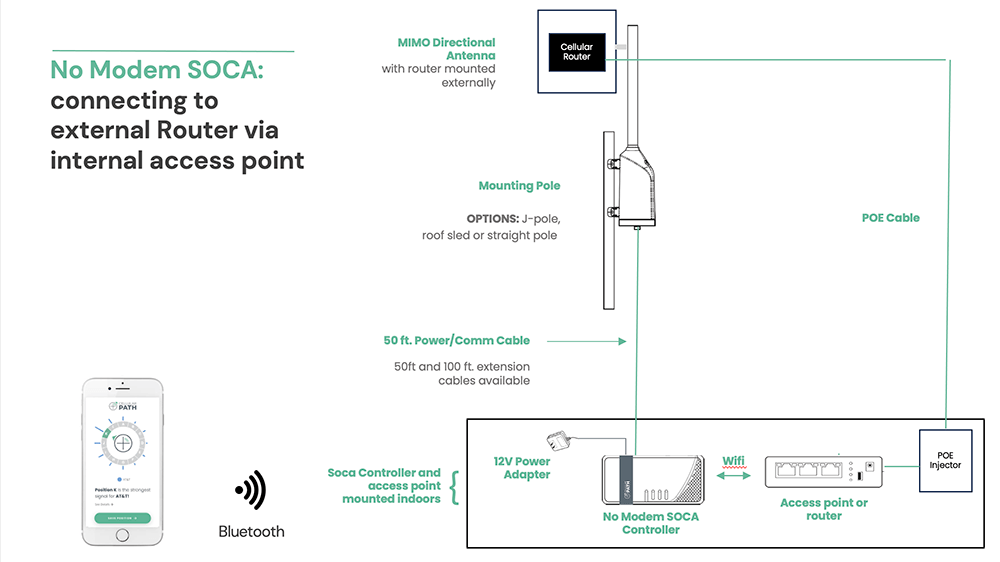
An outdoor Fixed Wireless Access solution was implemented, utilising the POYNTING EPNT 2 V3 high performance directional antenna, with a Teltonika RUTM50 5G cellular router mounted internally. To eliminate manual antenna alignment, the antenna assembly was installed on a Cellular Path automated rotator & pole, enabling intelligent, data driven steering toward the strongest available cellular signal.
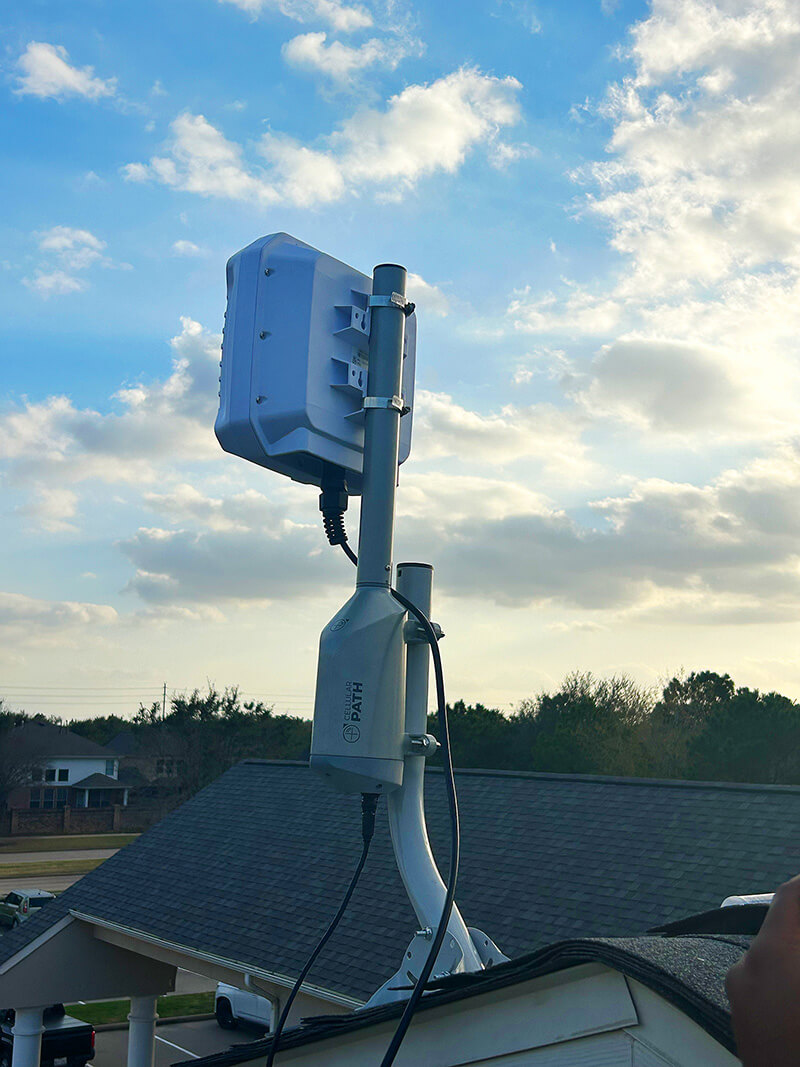
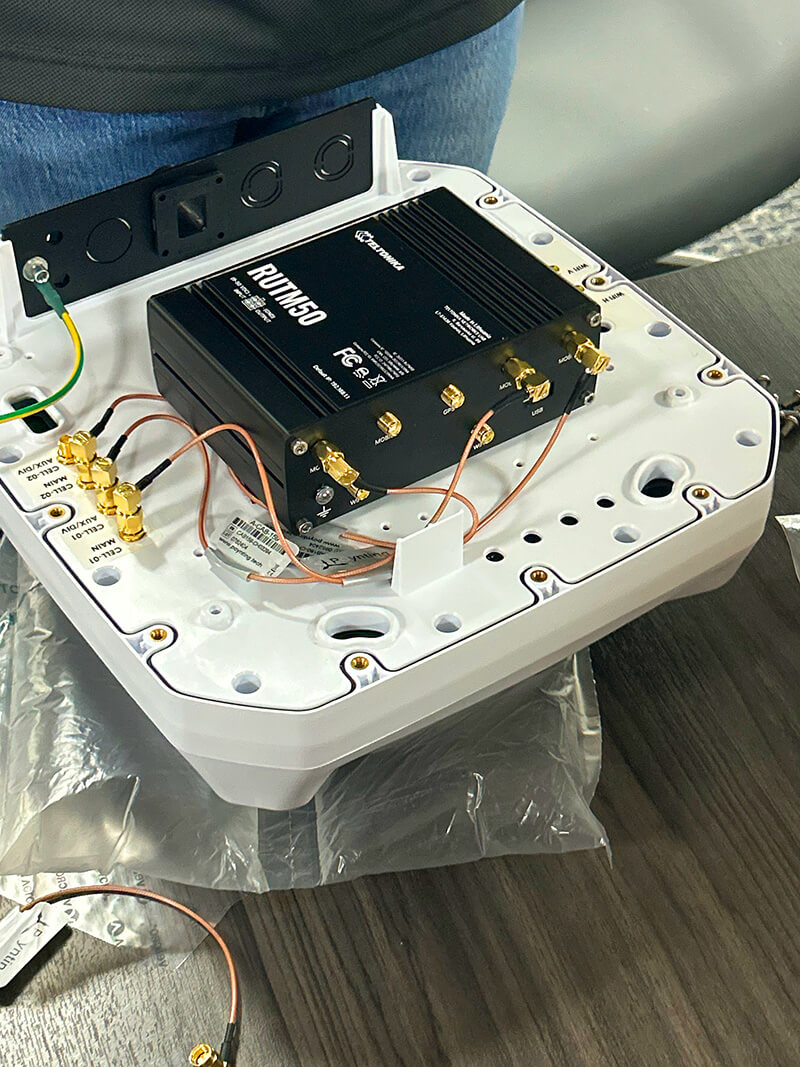
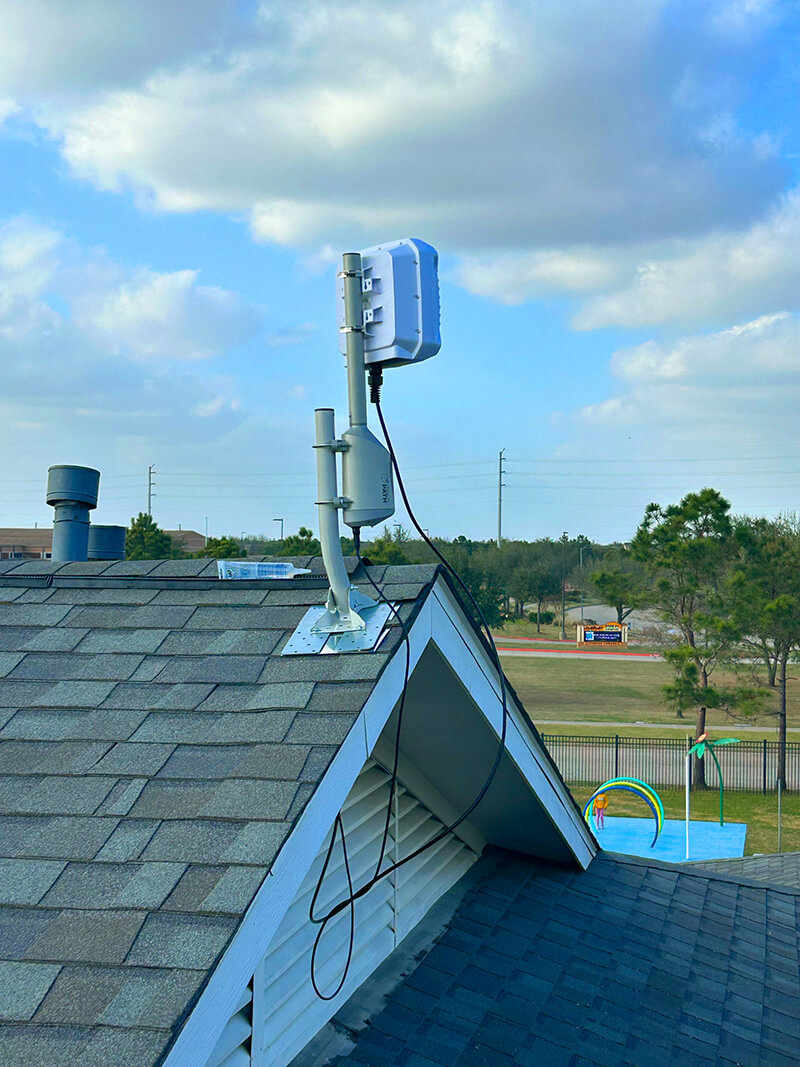
The Teltonika RUTM50 5G router was housed inside the POYNTING EPNT‑2 V3 directional antenna, creating a compact, weather‑resistant outdoor solution. This assembly was mounted on a Cellular Path rotator and pole, allowing precise directional control of the antenna.
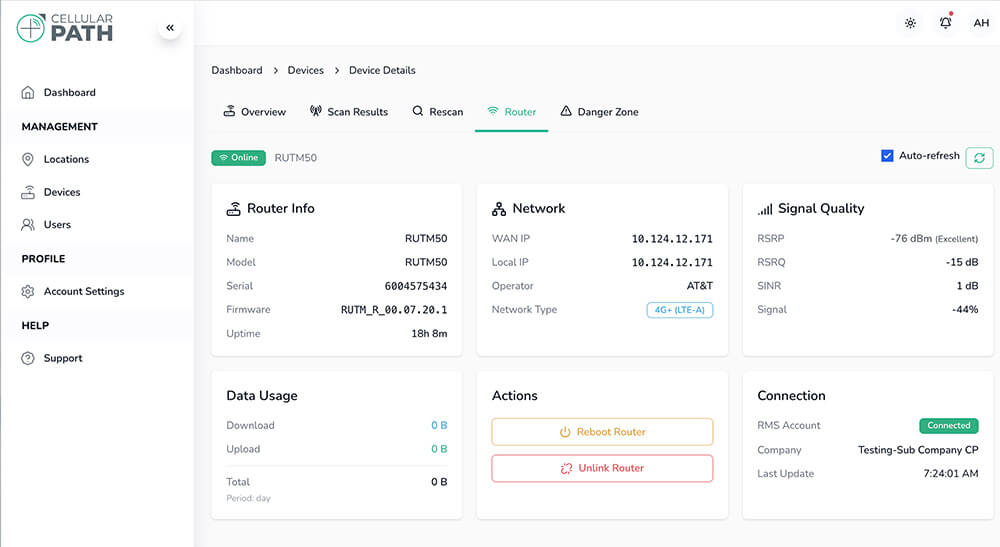
Power was supplied via an internal PoE injector, while an internal access point rebroadcast the Wi‑Fi signal inside the school building. The Cellular Path SOCA controller provided power and control to the rotator and connected wirelessly to the router to access RF performance data.
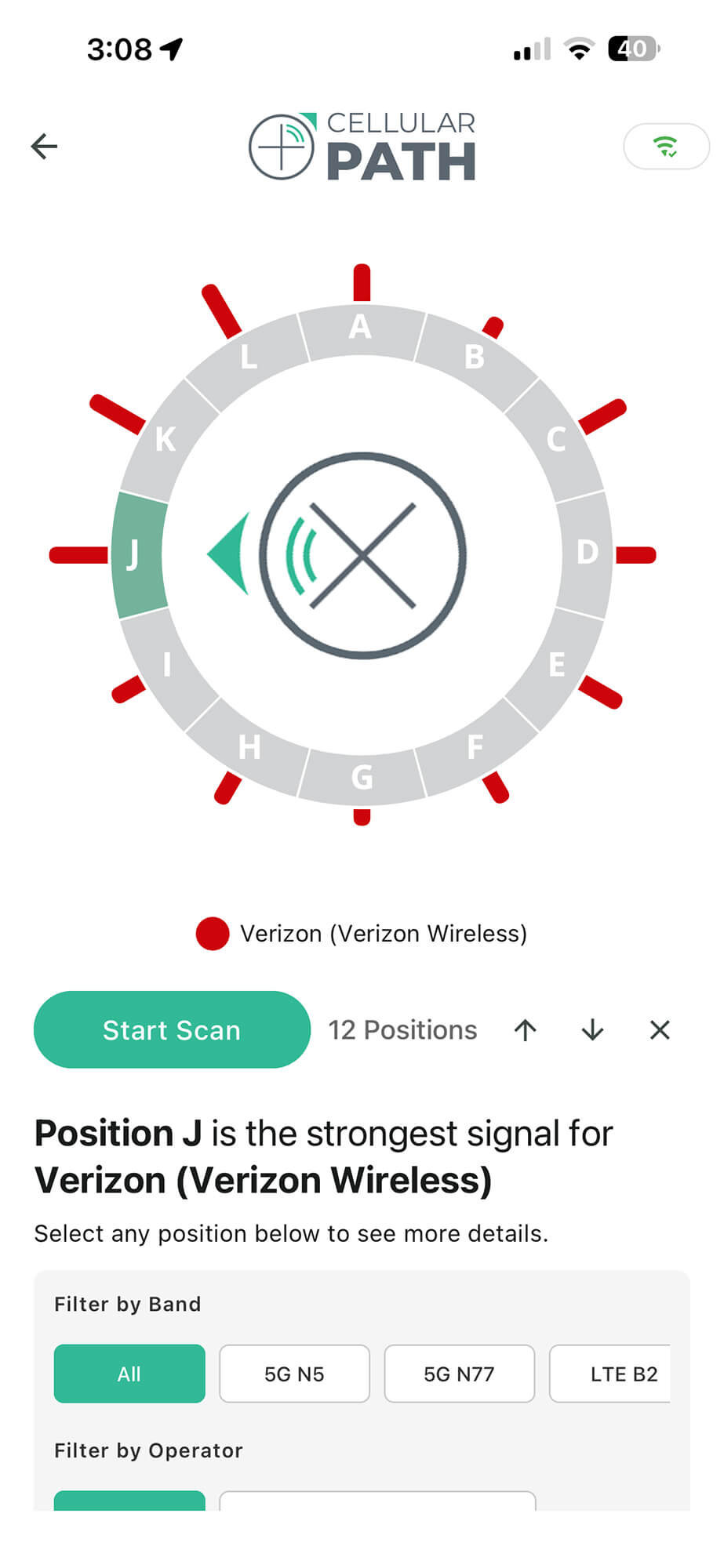
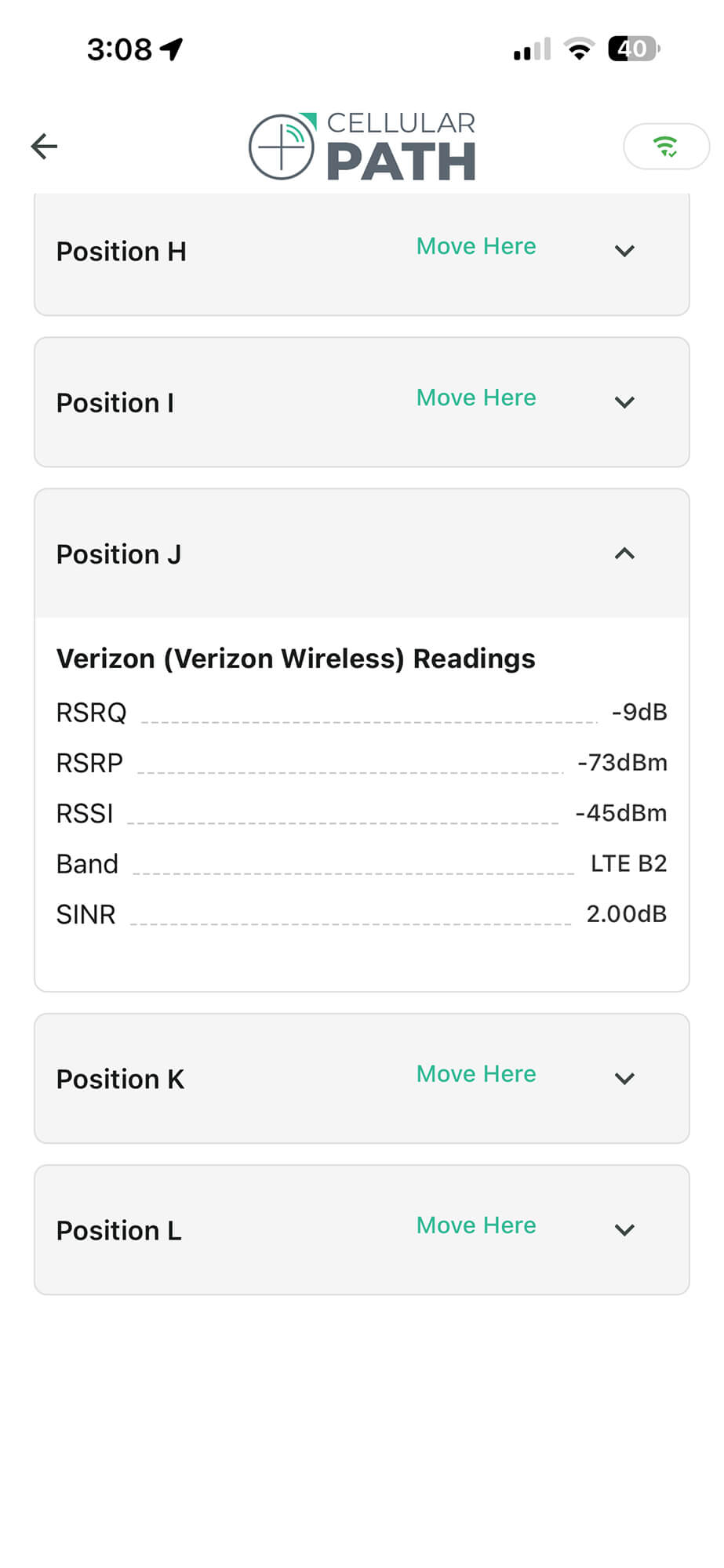
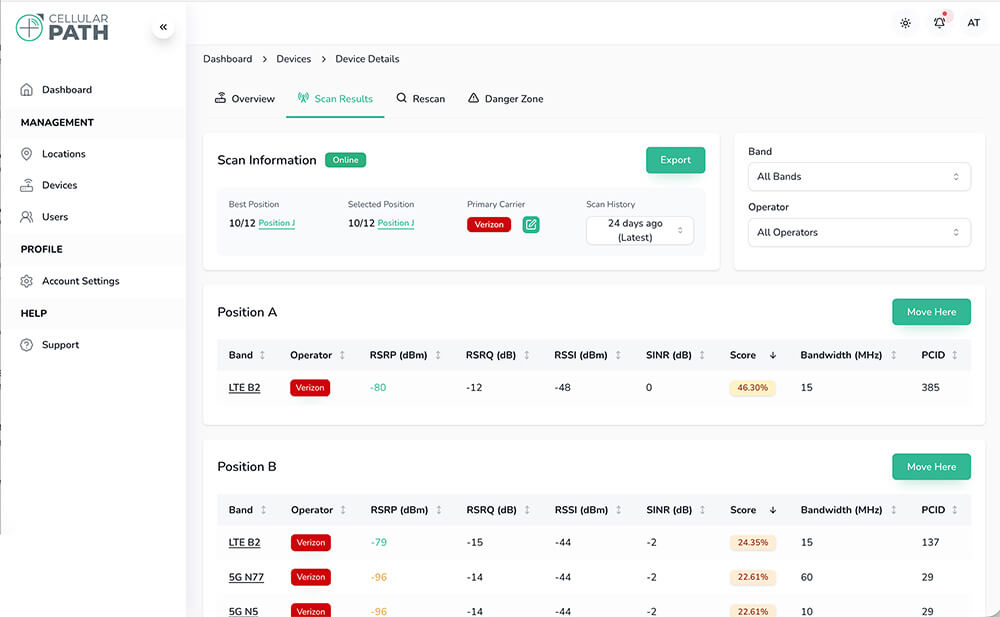
Using Cellular Path’s application and web portal, the system automatically performed a full 360‑degree scan, analysing RF data directly from the router. The antenna stopped at 12 distinct positions, selecting the orientation that delivered the best signal quality. The entire process completed in under 10 minutes for single‑SIM configurations and approximately 15 minutes for dual‑SIM setups.
Once installed, the antenna and router can be repositioned remotely from anywhere in the world, eliminating the need for on‑site adjustments and future truck rolls.
The performance improvements achieved by the solution were immediate and substantial. RF signal quality improved dramatically, transforming an unusable indoor connection into a stable and high‑speed cellular link.
Download speeds increased from just 0.29 Mbps to 30 Mbps, providing the school with a reliable and fully functional backup internet connection. The automated scanning and alignment process removed all guesswork from antenna positioning while significantly reducing installation time and long‑term maintenance costs.
With the ability to remotely reposition the antenna within minutes, the solution ensures continued optimisation as network conditions change, without the expense or disruption of repeat site visits.
This project demonstrates how a modern Fixed Wireless Access solution can be enhanced through intelligent automation. By combining POYNTING’s compact, high‑gain directional antennas with a Teltonika 5G router and Cellular Path’s automated antenna alignment technology, organisations can achieve faster deployments, superior performance, and lower operational costs.
The removal of manual antenna pointing not only improves reliability but also unlocks ongoing, remote optimisation—making this solution ideal for backup connectivity and mission‑critical deployments where uptime matters.