Choosing between an omni-directional and directional antenna can be challenging. Each antenna type offers unique advantages depending on your deployment environment, connectivity goals, and IoT application. This article outlines the key differences to help you select the most suitable antenna for your IoT solution—whether you’re rolling out smart meters in a city or tracking assets in rural areas.
The core distinction between omni-directional and directional antennas lies in how they transmit and receive signals:
Watch this short video explainer for a visual comparison.
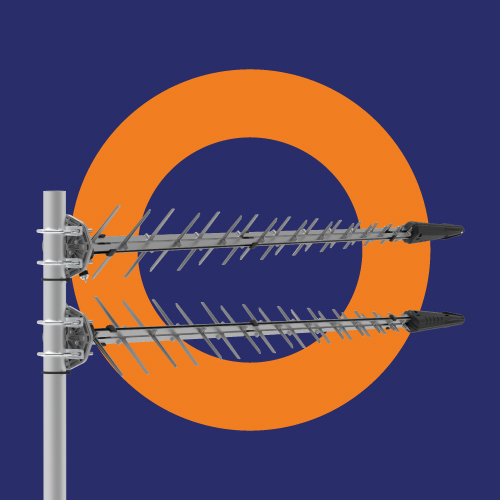
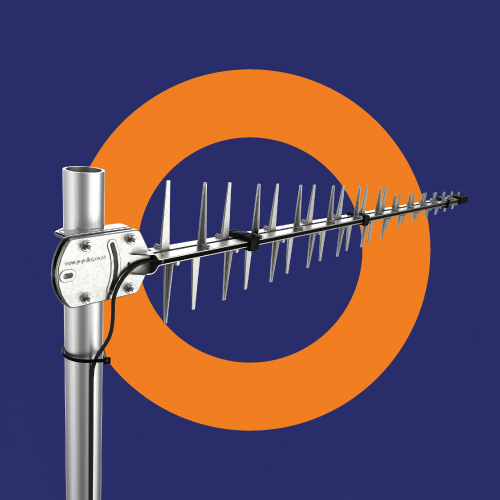
Think of these as a flashlight beam—focused and precise. For example, the LPDA-500 is a high-gain, SISO directional antenna covering 617–7200 MHz. It supports a wide range of technologies including LTE, 5G (2.5/3.5 GHz), Wi-Fi (2.4/5 GHz), and Wi-Fi 6E/7 (6 GHz).
Note: The LPDA-500 is a SISO antenna. To achieve MIMO performance, multiple LPDA-500 antennas must be used and connected to a MIMO-capable router—ideal in low-signal, long-range scenarios.
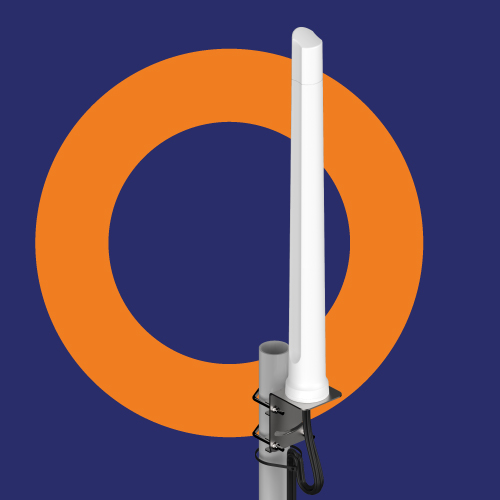
Imagine a lightbulb brightening an entire room. A narrowband example would be a LoRa antenna supporting 868–930 MHz at 4.5 dBi—perfect for IoT systems using LoRa globally. For broader use, the OMNI-292 supports 698–2700 MHz at 5 dBi, making it a versatile SISO option.
✔ Best for: Urban/suburban installations, mobile or moving assets, and areas with multiple nearby cell towers.
✔ Best for: Rural environments, fringe network zones, and interference-heavy locations.
In a remote valley, a smart agriculture project uses a directional POYNTING LPDA antenna to connect LoRaWAN sensors to a distant base station, ensuring reliable communication across challenging terrain.
MIMO (Multiple-Input, Multiple-Output) antennas increase throughput by using multiple antenna paths. Common in Wi-Fi and cellular tech, MIMO setups are ideal for high-bandwidth applications like streaming or mobile office connectivity.
SISO (Single-Input, Single-Output) is sufficient for most IoT tasks involving small data packets, such as environmental sensing or asset tracking.
Tip: While SISO works well for LTE/5G, upgrading to MIMO enhances speed, stability, and overall performance when needed.
Advanced routers like the Teltonika RUTX50 support 4x4 MIMO. You can combine omni and directional antennas to improve both speed and reliability:
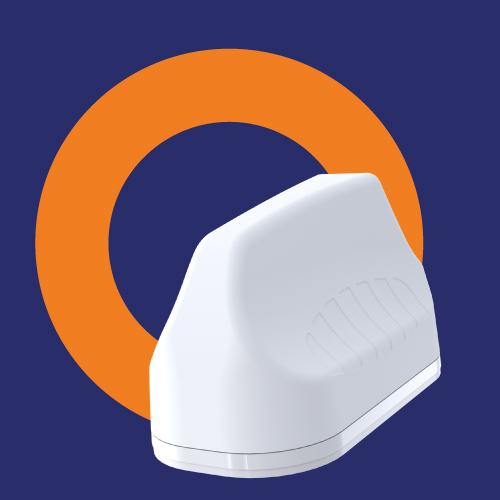
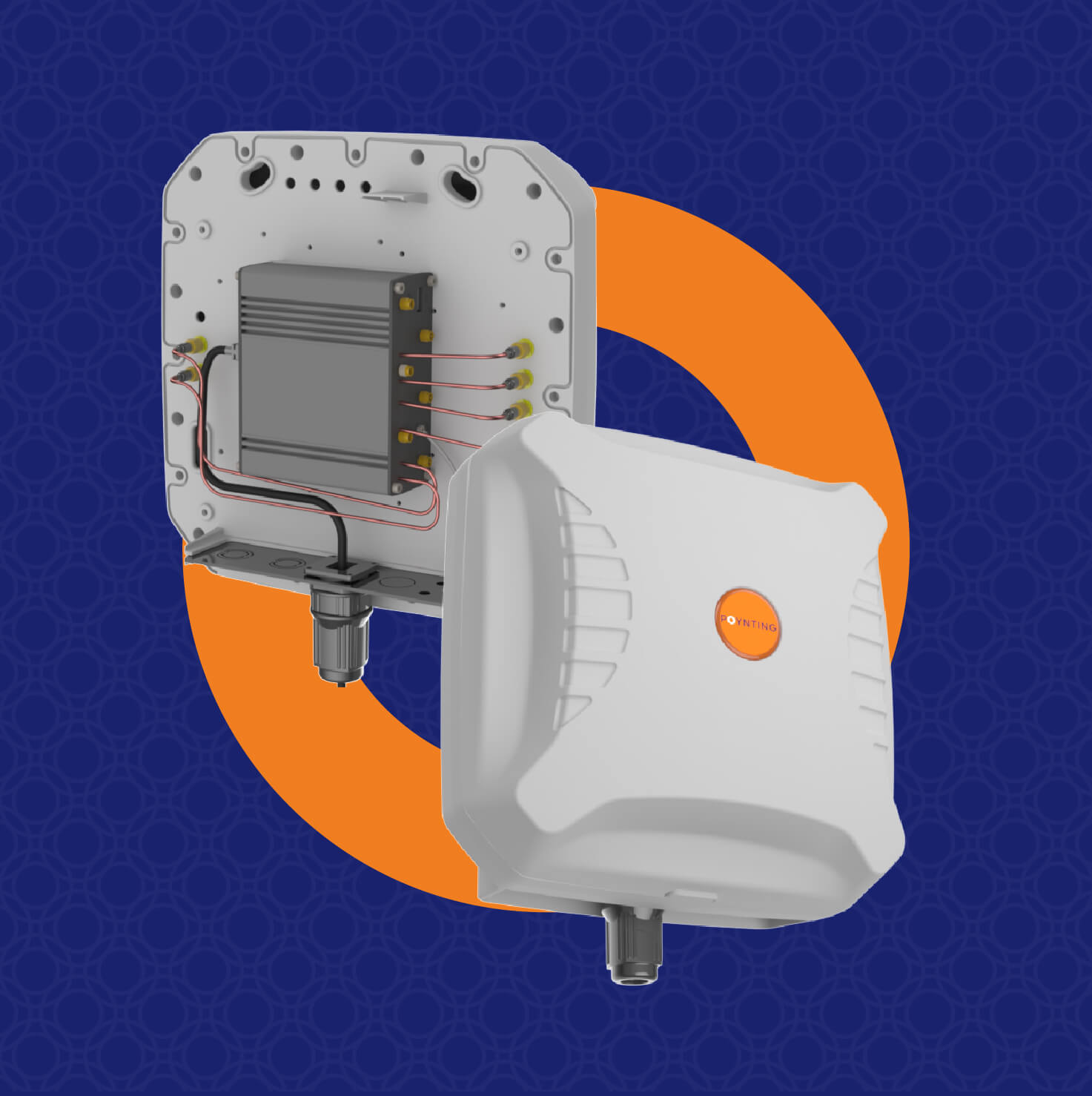
The EPNT-2 houses:
Together, they form a 4x4 MIMO array in a single unit—ideal for Fixed Wireless Access (FWA) in variable environments.