
Choosing the right antenna is crucial for reliable, efficient, and cost-effective IoT deployments. Yet, many projects underperform simply due to incorrect antenna choices. Here are five common mistakes to avoid—each one with the potential to drastically improve your system's performance.
One of the most frequent mistakes in IoT setups is using the integrated or stubby antenna that comes with the router. These are typically designed for basic, indoor environments. When installed inside an enclosure, the antenna is effectively trapped in a Faraday cage—blocking the signal from getting out.
Note: Moving the antenna outside makes a huge difference. We’ve backed this up with both theoretical models and thousands of real-world tests. Simply placing the antenna outdoors has shown signal strength improvements of 10 to 20 dB. That’s a game changer in low-signal or rural environments.
Not every IoT application needs the same type of antenna. Selecting between an omnidirectional and a directional antenna can significantly impact coverage and efficiency.
A farmhouse with 50 IoT sensors located north of the building would benefit more from a directional antenna aimed in that direction. If later sensors are added in multiple directions, switching to an omnidirectional antenna becomes more suitable.
In a factory setting, where machines like injection molders or laser cutters communicate directly with one another, directional antennas improve point-to-point communication and reduce interference.
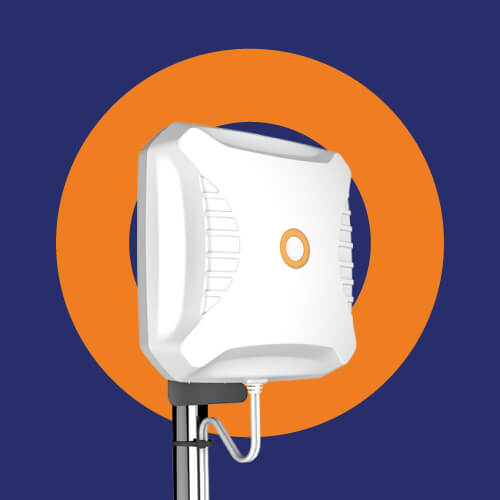
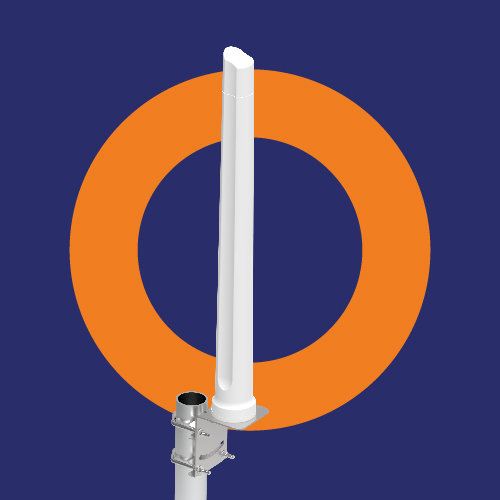
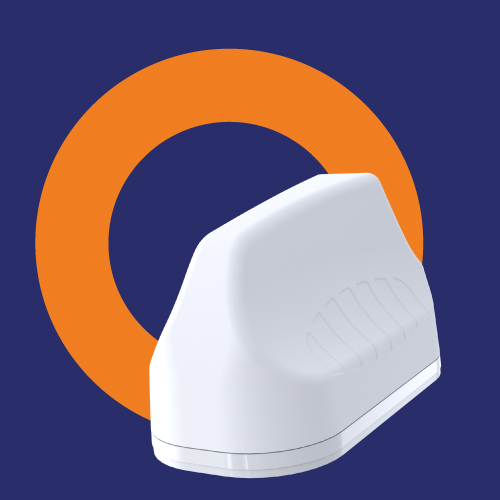
For omnidirectional coverage, ideal when signals come from multiple directions, we recommend the OMNI-293, OMNI-292, , EPNT-4, and PUCK series. These antennas offer reliable performance across a range of applications, from fixed installations to mobile and compact setups.
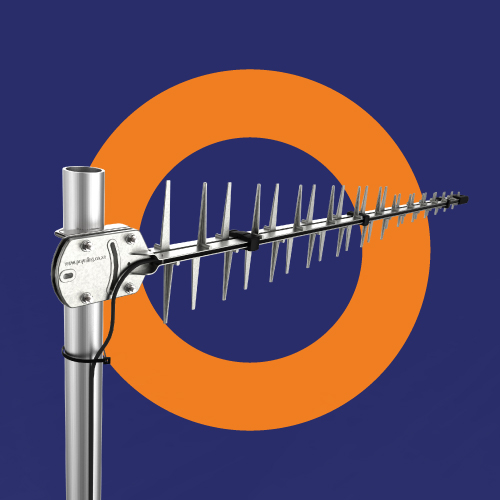
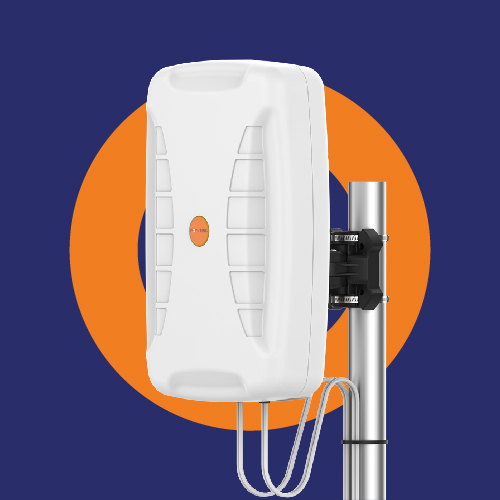
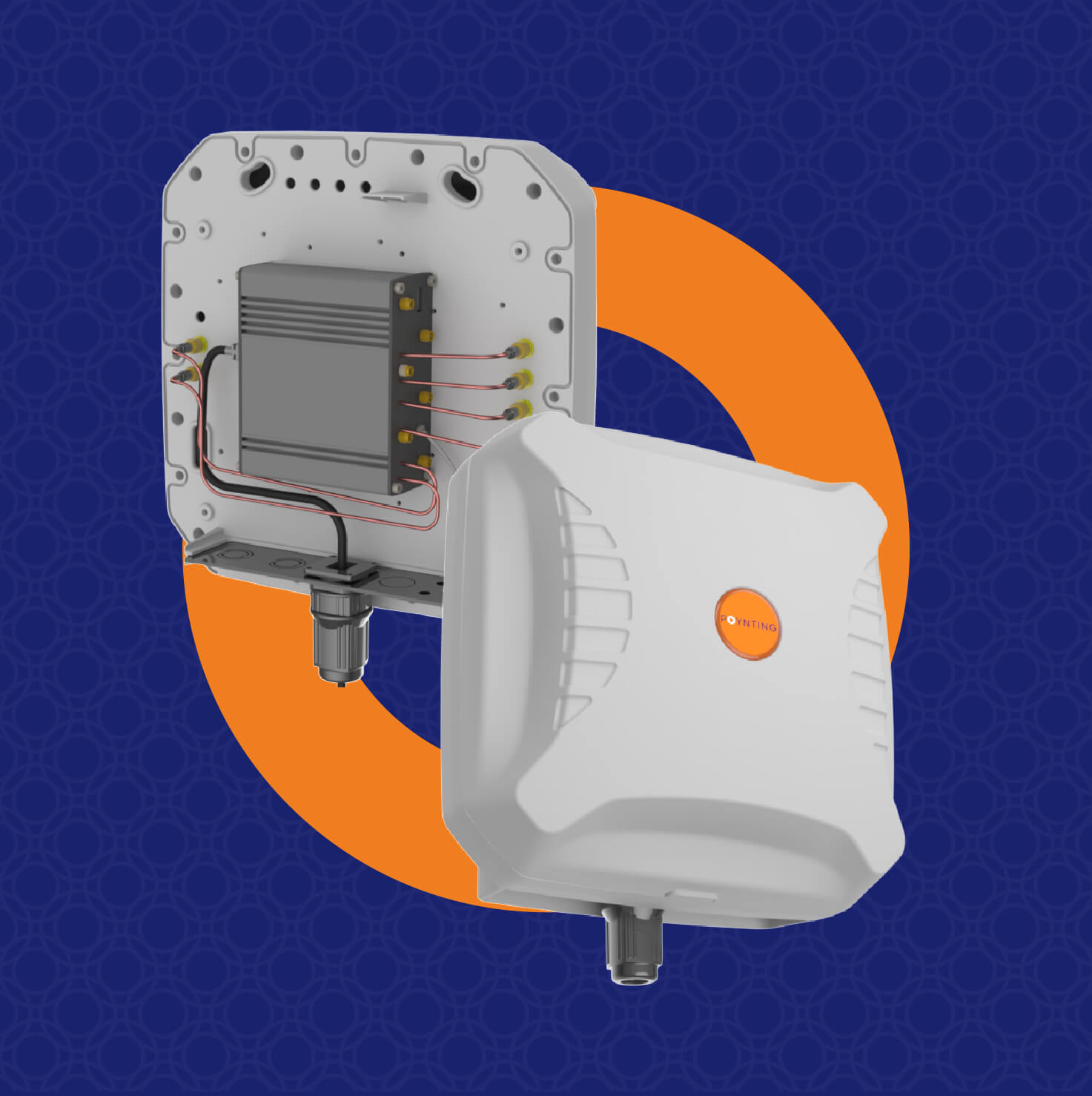
If the signal is coming from a specific direction, directional antennas are more effective. Our top picks include the XPOL-24, XPOL-2-5G, EPNT-2, and LPDA-92, all designed to maximise signal strength and data throughput in targeted deployments.
Narrow band antennas may seem cost-effective at first, but they come with serious limitations for IoT:
Broadband antennas, on the other hand, cover a wide range of frequencies. That means one model can work across multiple regions and applications. This simplifies logistics, lowers inventory requirements, and reduces the chance of configuration errors. It's a smart choice for any scalable or large IoT rollout.
We recommend our PUCK series and OMNI-293 antennas, offering ultra-wideband coverage from 617 to 6000 MHz to ensure seamless compatibility with legacy, current, and emerging IoT technologies.
It’s a common misconception that antennas only affect connectivity. When an IoT device struggles with poor signal strength, it increases its power output to maintain communication—leading to faster battery drain. This is especially problematic for remote or hard-to-reach devices like environmental sensors or agricultural gateways.
A high-quality antenna enhances signal reception, enabling the device to transmit data more efficiently and conserve energy. In the article “Does Signal Strength Affect Battery Life? Discover the Truth About Phone Battery Drain” by Ellis Gibson (B.Sc. Mechanical Engineering), it’s noted that a University of California, Berkeley study found devices in low-signal conditions can use up to 50% more battery power than those with strong signals. This is due to the extra effort required to stay connected under challenging circumstances.
Stronger signal reception doesn’t just save power—it extends device lifespan, reduces maintenance costs, and ensures greater uptime in mission-critical applications.
When choosing a directional antenna, the best options are the XPOL-24, XPOL-2-5G, EPNT-2, and LPDA-92. These antennas perform well in terms of signal gain, MIMO or SISO capabilities, supported frequency bands, and radiation patterns.
For omni-directional antennas, the top performers are the OMNI-293, OMNI-292, the PUCK range, and the MIMO-3 series. These antennas offer reliable performance across a wide area and are well-suited for applications where signals come from different directions.
Antenna matching is often overlooked, but it's critical for data integrity. A poorly matched antenna can cause:
This is especially problematic in urban or industrial environments where RF noise is high. A properly engineered antenna, like those from POYNTING, helps minimize interference and maintain consistent performance—even in demanding conditions.
A well-matched antenna means low VSWR, which results in efficient power transfer and excellent performance.
We recommend the LPDA-92 antenna, which offers a very low Voltage Standing Wave Ratio (VSWR) of less than 1.5:1. This indicates minimal signal reflection and efficient power delivery to the antenna.
Next, we suggest the XPOL-2-5G and OMNI-293 antennas, both of which maintain a VSWR of less than 2:1 across more than 95% of their supported frequency bands.
A low VSWR means that only a small portion of the signal is reflected to your device. This allows more of the signal power to be transmitted through the antenna, improving data transmission and overall performance.
Avoiding these five common mistakes can help you build a more reliable, energy-efficient, and scalable IoT solution. Whether you’re deploying in agriculture, manufacturing, healthcare, or smart cities, the right antenna makes all the difference.
Need help selecting the right antenna for your setup? Reach out to our team—we’re here to help.