The Internet of Things (IoT) is revolutionizing industries—from smart utilities and agriculture to industrial automation. But while devices like Teltonika’s are built for performance, they’re only as good as the connection they maintain. At the heart of this connection is a critical, often overlooked component: the antenna.
Let’s explore why choosing the right antenna—like those from POYNTING—is essential to the success of your IoT deployment.
IoT devices are often installed in challenging spots:
These environments obstruct wireless signals. A standard antenna won’t perform reliably under such conditions. POYNTING’s antennas are designed to overcome these obstacles. They are rugged, robust, and even vandal-proof, making them ideal for harsh and high-risk installations.
IoT applications like precision farming or smart cities require communication across large areas. If the antenna’s range is too short or its coverage poorly directed, you’ll see data gaps and connectivity issues.
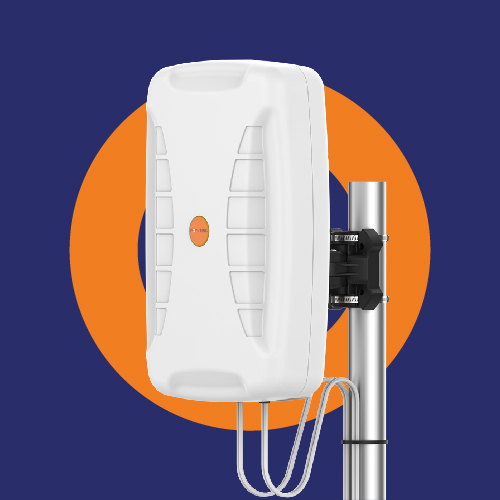
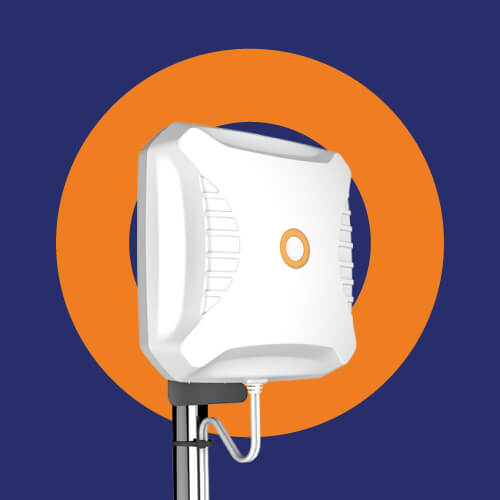
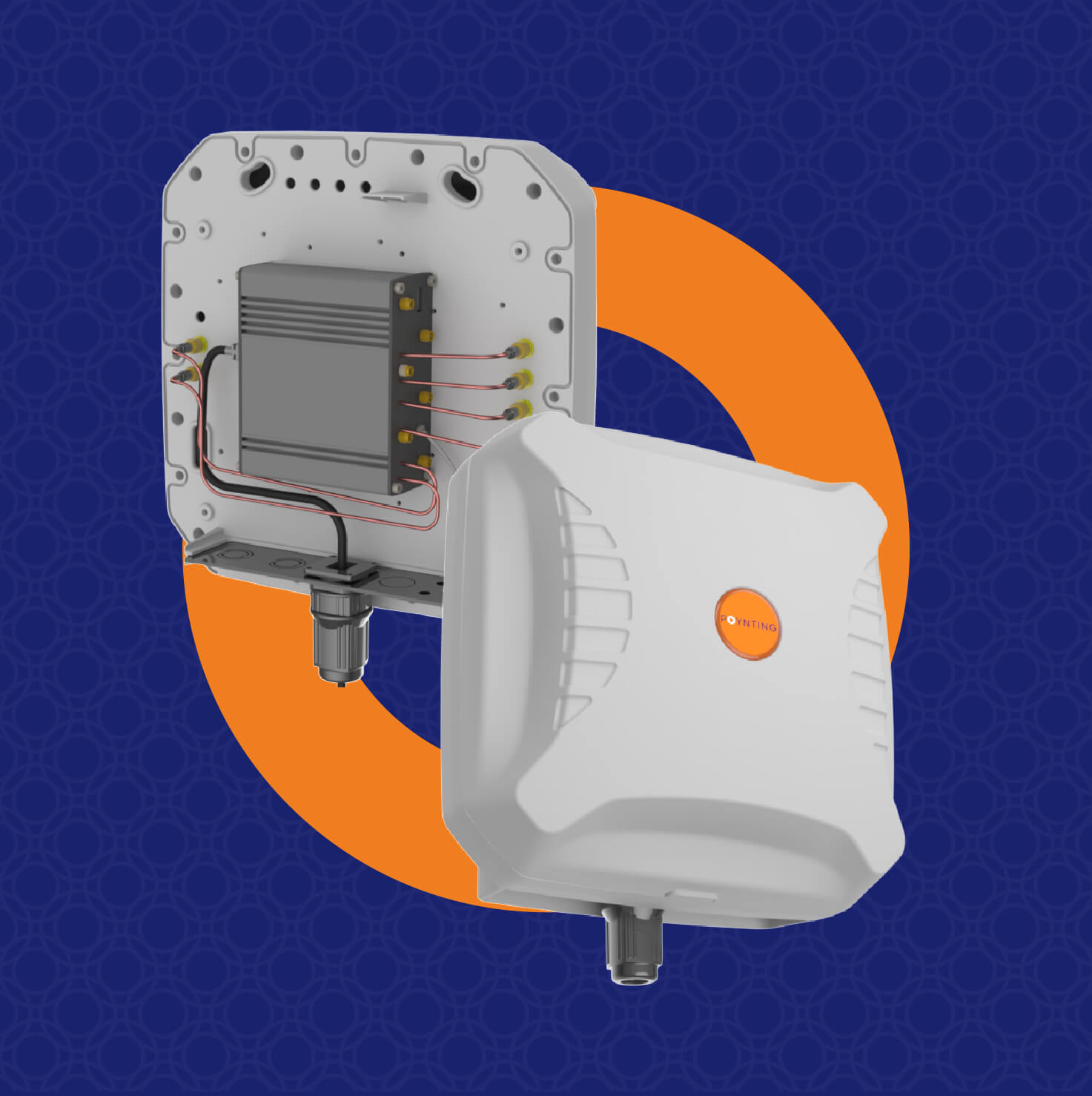
For the directional option, we recommend the XPOL-24 antenna. This 4x4 MIMO, X-Cross polarized antenna covers a wide frequency range of 617-4200 MHz and has a peak gain of 11 dBi. It offers an extended communication range in a specific direction, which is particularly beneficial for rural or remote IoT deployments where devices are spread over large distances and line-of-sight communication is feasible. The XPOL-24's 4x4 MIMO capability significantly enhances data rates, making it ideal for IoT applications that require high-speed, real-time data transfer, such as smart cities, video surveillance, and industrial automation.
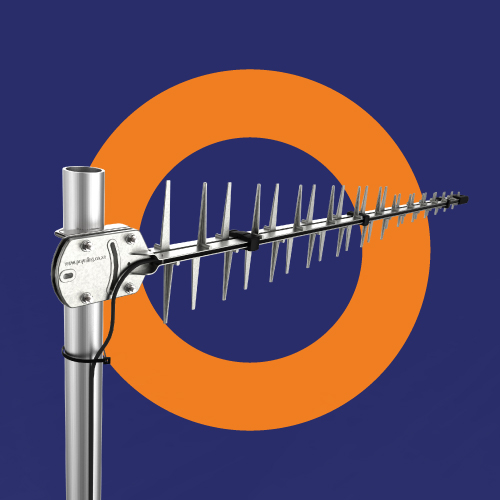
If SISO is acceptable, the LPDA-92 antenna could also be a suitable option.
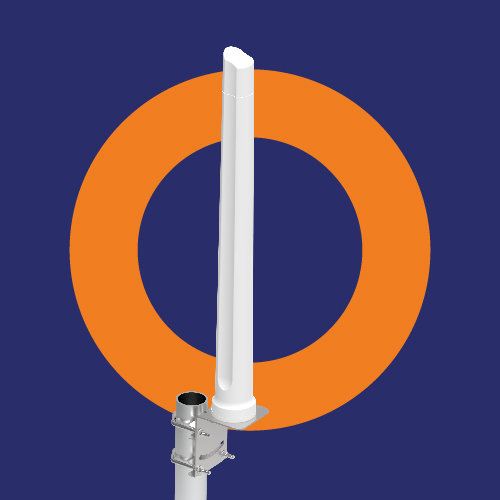
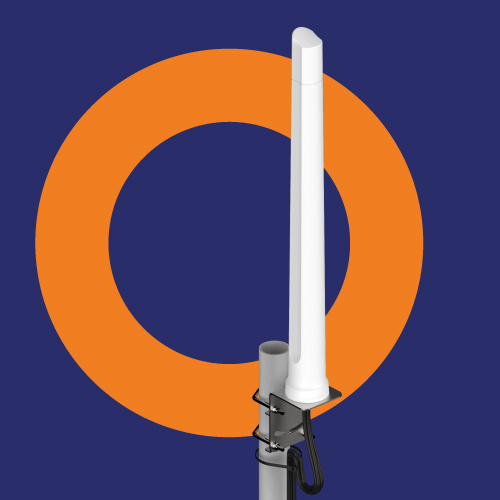
For the omni-directional option, we recommend the Omni-293 antenna, which covers a wide frequency range of 617 to 6000 MHz and features a high peak gain of 8 dBi. The Omni-293 provides 360-degree coverage, making it ideal for IoT devices distributed around a central point, such as in smart agriculture. The high gain of the antenna enhances the communication range, allowing devices located farther from the router or base transceiver station (BTS) to maintain reliable connections.
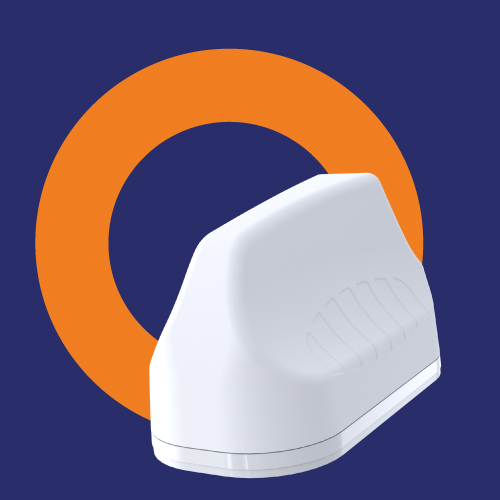
POYNTING offers both directional and omni-directional antennas tailored to different use cases:
🔗 Learn when to use directional vs omni-directional antennas
When an IoT device struggles to get a good signal, it boosts its power output to compensate. This results in faster battery drain—bad news for remote or hard-to-reach devices like environmental sensors or agricultural gateways.
A quality antenna improves signal reception, allowing the device to transmit efficiently and save energy. For example:
This extends device lifespan, reduces maintenance costs, and increases uptime in mission-critical systems.
Busy environments like cities or industrial zones are saturated with radio frequency (RF) noise. Poorly matched antennas can’t filter out this noise, leading to lost packets, retransmissions, and corrupted data.
POYNTING antennas are engineered to perform in high-interference environments, maintaining data integrity even in RF-congested zones. This is essential for smart city infrastructure, industrial IoT, and real-time monitoring applications.
IoT devices operate across a wide range of wireless frequencies, far beyond typical mobile phone bands. Examples include:
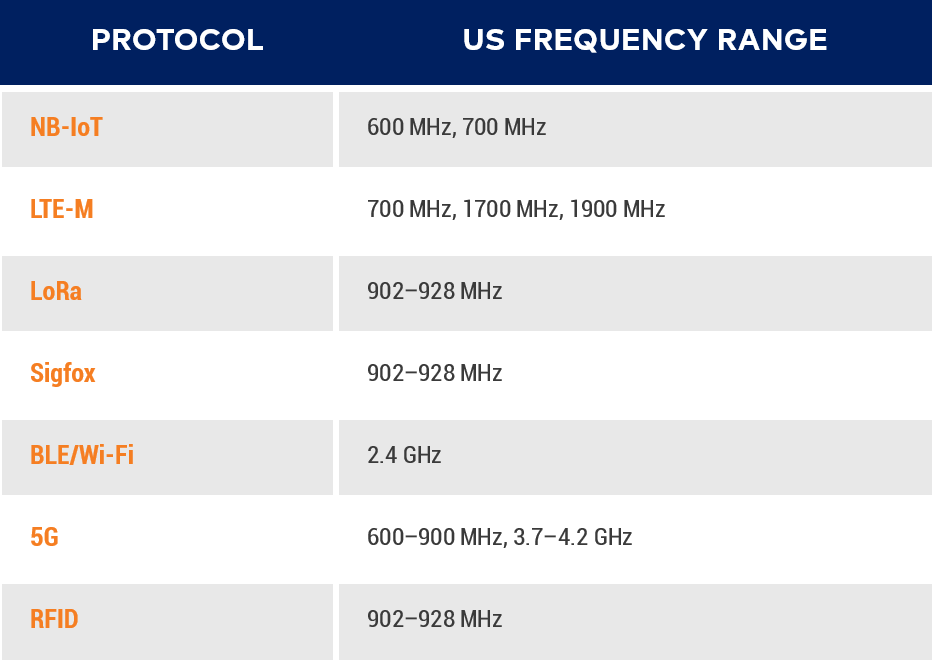
Choosing an antenna that doesn’t match your device’s frequency results in weak signals and limited functionality. POYNTING antennas are broadband offering single models that support all these bands and protocols, ensuring full compatibility with Teltonika and other IoT devices.
Different IoT wireless technologies benefit from specific antenna solutions to ensure reliable connectivity. For LoRa applications, the OMNI-600 and MIMO-3 antennas are recommended due to their long-range and robust performance. When working with Wi-Fi, Bluetooth, or Zigbee protocols, the OMNI-296 and PUCK-12 antennas provide excellent coverage and compact design, ideal for short-range communication.
For NB-IoT and 5G IoT deployments, all antennas on offer are suitable except the OMNI-296 and PUCK-12, which do not support the required frequency bands.
Reliable communication is the foundation of every successful IoT deployment. Without the right antenna, you risk poor connectivity, increased maintenance, and failed projects. Whether you're deploying in a city, on a farm, or underground, POYNTING antennas provide reliable, high-performance connectivity tailored to your needs.
Choose the right antenna—and power your IoT vision with confidence.